


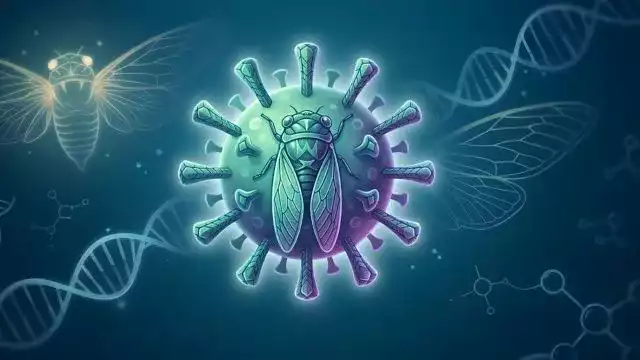
BA.3.2 ‘Cicada’ Variant: Symptoms, Spread, and What You Should Know in 2026

The BA.3.2 “Cicada” variant is a new Omicron subvariant of COVID-19 with many mutations. It may spread more easily and cause reinfections, but early data shows it is not more severe. Health experts say monitoring is important, but there is no need to panic.
Table Of Content
- What Is the BA.3.2 ‘Cicada’ Variant?
- Why Scientists Are Watching This Variant Closely
- Global Spread: Where Has It Been Found?
- Is the ‘Cicada’ Variant More Contagious?
- Symptoms of BA.3.2 Variant
- Is the BA.3.2 Variant More Dangerous?
- Do Vaccines Still Work?
- Situation in India
- Expert Advice: Should You Be Worried?
- FAQ
What Is the BA.3.2 ‘Cicada’ Variant?
The BA.3.2 variant is part of the Omicron family of SARS-CoV-2. It was first detected in South Africa in November 2024. The variant stayed unnoticed for months before spreading globally in 2025.
It is called “Cicada” because it appeared suddenly after a quiet phase, similar to the insect.
Health agencies like WHO and CDC are tracking it closely. It is currently listed as a variant under monitoring, not a major threat.
Why Scientists Are Watching This Variant Closely
The main concern is the high number of mutations in the spike protein.
- BA.3.2: 70–75 mutations
- Omicron (2021): ~30 mutations
- Delta: ~10 mutations
These mutations may help the virus escape immunity from vaccines or past infections.
Lab studies show strong antibody evasion. Real-world impact remains limited so far.
Global Spread: Where Has It Been Found?
The BA.3.2 variant has now spread across multiple regions:
- First detected: South Africa (2024)
- Now present in: 23+ countries
- Found in: Europe, Asia, US, Africa, Oceania
In the US, cases were detected through:
- Travelers
- Clinical samples
- Wastewater systems
Still, it remains a small percentage of total cases globally.
Is the ‘Cicada’ Variant More Contagious?
The variant may spread more easily due to immune escape.
It can:
- Infect people who had COVID before
- Cause reinfections
- Spread in partially immune populations
However, experts say the transmission advantage is not very high yet. It has not replaced dominant variants.
Symptoms of BA.3.2 Variant
Symptoms are similar to earlier Omicron variants:
Common symptoms:
- Sore throat
- Fever and chills
- Fatigue
- Cough
- Runny nose
- Body aches
Less common symptoms:
- Headache
- Nausea
- Mild breathing issues
No unusual symptoms have been reported so far.
Is the BA.3.2 Variant More Dangerous?
Current data shows:
- Most cases are mild to moderate
- No rise in hospitalisations
- No increase in death rates
Experts say there is no evidence of higher severity.
Do Vaccines Still Work?
Vaccines may be less effective at preventing infection.
But they still:
- Protect against severe illness
- Reduce hospitalisation risk
- Lower death risk
Health experts strongly recommend staying vaccinated.
Situation in India
No major outbreak has been linked to BA.3.2 in India yet.
However:
- International travel may introduce cases
- Genome tracking remains important
- Monitoring systems like INSACOG are active
Expert Advice: Should You Be Worried?
There is no reason to panic.
Simple precautions still work:
- Stay updated with vaccines
- Maintain hygiene
- Avoid crowded places if sick
Experts advise awareness, not fear. For more verified health how to choose the right insurance policy in 2026, read this detailed report: 👉 Cicada COVID Variant Explained (PolitiFact)
FAQ
It’s a new Omicron subvariant with many mutations, currently under monitoring by global health agencies.
No. Early data shows it is not more severe than previous variants.
Symptoms include sore throat, fever, fatigue, cough, and runny nose.
Yes. Vaccines still protect against severe illness and hospitalisation.
No major outbreak yet, but monitoring is ongoing.